

Felix Mbata, Lagos state
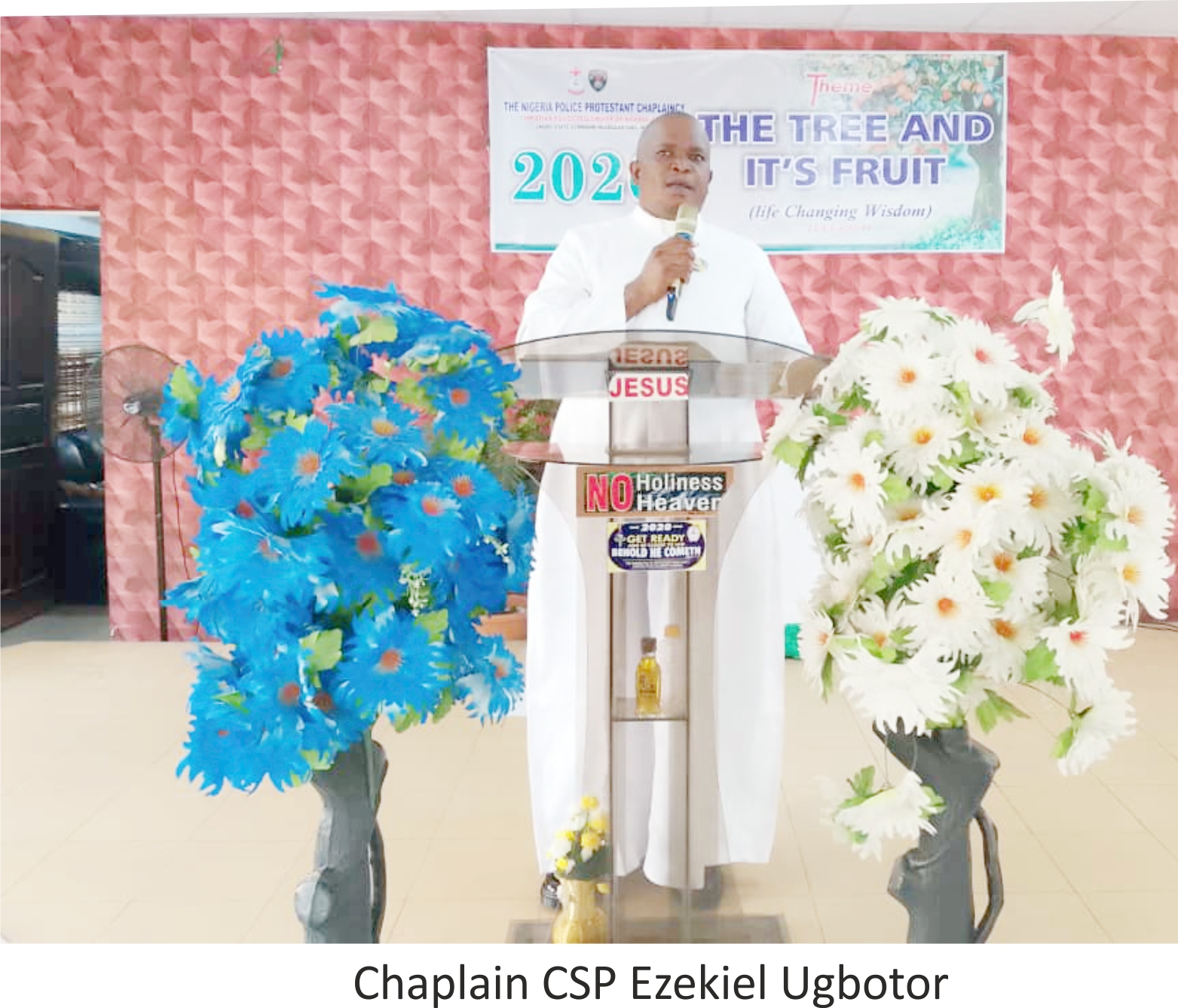
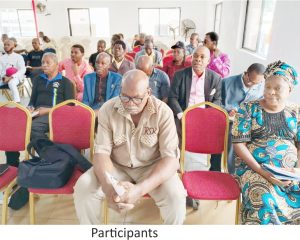
 The 2026 Lagos State Police Command Protestant Chaplaincy retreat, held on 16 January at the Lord of Lord’s Chapel, brought together clergy, officers, and members of the Christian Police Fellowship of Nigeria (CPFN) under the theme “The Tree and Its Fruit” (Luke 6:43‑44). This gathering marked a milestone in Chaplain CSP Ezekiel Ugbotor’s vision of “all hands on deck” for religious work within the force, a vision he has championed since taking charge of the Lagos Protestant chaplaincy. By convening a one‑day stakeholders’ retreat each January, he aligns the year’s ministry with a biblical focus, equipping pastors, independent chaplains, and CPFN members to bear genuine, Christ‑like fruit in their service .
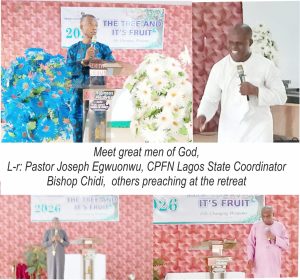 From the moment he assumed responsibility, Chaplain Ugbotor has made it a point of duty to mobilize every Christian voice in the police community. He introduced an early‑January retreat to unveil the annual theme, gather “major players” and “every person who has been supporting us,” and set a clear spiritual agenda for the year. The 2026 theme, “The Tree and Its Fruit,” was chosen after a season of prayer and discernment, recognizing that many claim Christian identity yet lack the fruit of the Spirit—love, tolerance, compassion, and integrity. By emphasizing this metaphor, the retreat challenges participants to move beyond empty confession to a life that visibly demonstrates the gospel.
 The retreat’s impact reaches far beyond the chapel walls. Pastors who lead churches inside police barracks are now fully integrated into the chaplaincy’s network. Chaplain Ugbotor personally visits each barrack church at least once a year, ensuring that doctrine is sound and that worship remains Christ‑centered. Since his arrival, he has closed seven “shrine‑like” gatherings that were operating under the guise of churches, protecting officers and their families from false teaching and idolatry.
A core component of his ministry is the youth de‑radicalisation and education program. Recognizing that many children in barracks are vulnerable to drugs and wayward lifestyles, the chaplaincy has organized two major youth initiatives. These include counseling, life‑skills workshops, and academic support. Children are registered for WAEC examinations, and teachers are hired and paid to provide extra lessons—efforts that have already seen several youths transition from at‑risk behavior to academic success. In addition, the chaplaincy sponsors police widows’ children, with two recent graduates emerging with first‑class degrees, a testament to the program’s effectiveness.
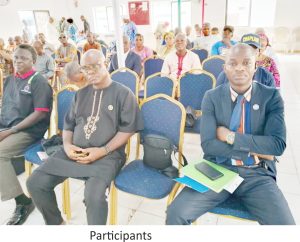 Funding for these capital‑intensive activities—WAEC forms, teacher salaries, widows’ empowerment, and travel for national conferences (such as the upcoming Jos conference, budgeted at about ₦1.5 million)—comes from goodwill donations, supportive individuals. The Commissioner of Police has publicly commended Chaplain Ugbotor good work, which spurs Ugbotor to do more, yet the bulk of resources still rely on private generosity and church partners.
 Challenges remain. The chaplaincy needs a larger, cathedral‑style church at Okota Police Barrack and the completion of several mini‑chapels across the command. Sustainable funding is essential to maintain and expand youth programs, widows’ support, and infrastructure projects. Nonetheless, the retreat’s success and the visible fruit of transformed lives underscore a hopeful trajectory for police community spirituality.
Conclusion
Chaplain Ugbotor’s leadership, exemplified by the 2026 retreat, has sown seeds of lasting change within the Nigeria Police Force. By nurturing children in barracks, empowering widows, and fostering authentic Christian witness, he has cultivated a community where the “tree” of faith bears abundant, tangible fruit. This story, recorded for posterity, stands as a testament to how dedicated spiritual stewardship can transform lives and strengthen the moral fabric of a nation’s security apparatus.